The importance of 'Daily Physical Activity’ for your classroom
Jan 24, 2024

Kas
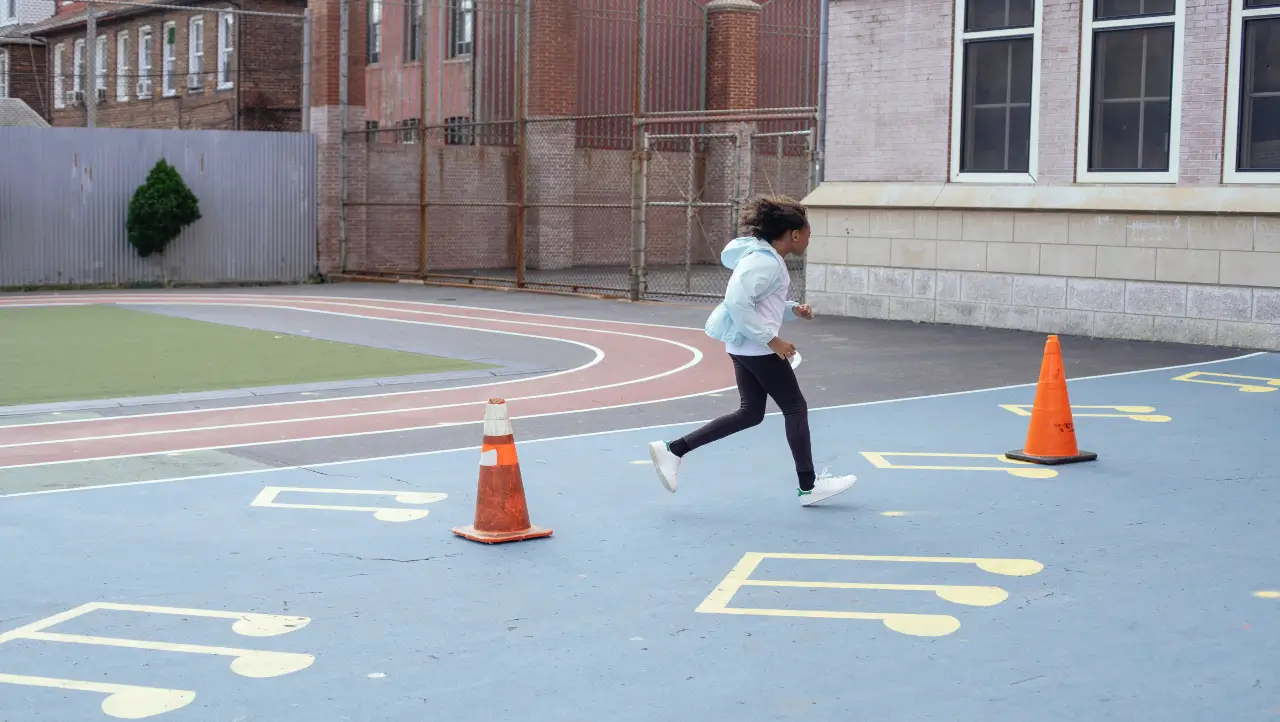
As teachers, we all understand the importance of daily physical activity, whether it’s through brain breaks, structured P.E. lessons, or quick fitness sessions within the classroom. Movement plays such a critical role in improving student focus, engagement, and overall wellbeing.
What I’ve often seen, especially in the primary school setting, is that many classroom teachers struggle with where and how to fit this in consistently. It’s a fair and completely understandable challenge. With so much already being asked of teachers year after year often while being under-resourced and overworked the idea of adding something extra, like planning and managing daily movement breaks, can feel overwhelming.
For some, the thought of managing behaviours outside of the classroom or taking on a P.E style activity can seem like too much. But integrating daily physical activity doesn’t need to be complicated or time-consuming. With a few simple strategies, you can create opportunities for movement that energise your students, support learning outcomes, and actually make your teaching day run smoother
Why Every Classroom Teacher Should Prioritise Daily Physical Activity
- Daily physical activity will have significant benefits for student outcomes across all subject areas and behaviour. Creating greater outcomes for your teaching efforts.
- It does not need to be a P.E lesson or complex for it to be beneficial for the student
- Physical activity should not just be the responsibility of the HPE teacher. The Victorian government suggest a range of minimum time requirements for students to be active every day. Even if your school is running a single 45 HPE lesson a week this will not be sufficient to meet the requirements. These requirements do not include break times as not all students will be active in these times.
The Victorian Government requires schools to conduct the minimum required amount of physical and sport education.
- Prep- Year 3 (20-30 minutes per day)
- Year 4-6 (1 hour and 30 minutes of P.E per week & 1 hour and 30 minutes of Sport per week)
- Year 7-10 (100 minutes of P.E per week & 100 minutes of sport per week)
Physical Education: The delivery of the physical education curriculum through timetabled and structured classes
Sport: Any form of sport (Inter or intra-school) Within the educational setting which is timetabled into the school week.
The Research Is Clear:
Australian Institute of Health and Welfare along with the support of the Australian Bureau of Statistics were able to determine that at least 70% of children aged 2-17 don’t meet the physical activity guidelines and recommendations as outlined by the Australian government. Shockingly only 2% of teens aged 13-17 Were able to meet these recommendations (Australian Government, Department of Health and Aged Care, 2021).
The list of benefits of daily physical activity (DPA) is endless and covers many aspects of a person’s life, mind and body. This article will emphasise and make clear that the benefit also strongly relates to learning outside of a physical activity of the P.E domain. The benefits are transferable and promote learning across the curriculum.
How Do Students Benefit?
- Increasing physical activity and physical fitness may improve academic performance
- Mathematics and reading are the academic topics that may be the most influenced by physical activity.
‘These topics depend on efficient and effective executive function, which has been linked to physical activity and physical fitness’.
(Educating the Student Body: Taking Physical Activity and Physical Education to School, 2013)
- Basic cognitive functions related to attention and memory facilitate learning, and these functions are enhanced by physical activity and higher aerobic fitness.
- Single sessions of and long-term participation in physical activity improve cognitive performance and brain health.
Regular physical activity in schools doesn’t just improve fitness levels it enhances how students think, learn, and engage in the classroom. When children move more, they’re better able to concentrate, process information, and retain what they’ve learned. I’ve seen this firsthand across both primary and high school settings; after a quick movement break or active lesson, students return more alert, positive, and ready to learn. It’s not just about burning energy it’s about resetting the brain.
Physical activity boosts blood flow to the brain, supporting cognitive growth and improving memory and problem-solving skills. This means something as simple as a short stretching session, a dance break, or an active learning task can have a measurable impact on learning outcomes. For teachers, this is a powerful reminder that integrating movement throughout the day isn’t a distraction from academic learning, it’s a tool that enhances it!
By embedding daily physical activity into classroom routines, teachers create conditions for improved academic success, emotional wellbeing, and overall classroom engagement. It’s a simple change that delivers lasting results for students.
How Can This Be Done?:
There are plenty of resources available online, and of course, if you have a willing specialist teacher, they should be your first point of call. Engaging your specialist P.E. teacher not only shows your interest and respect for their subject area but also opens the door for them to support you in your efforts to integrate more daily physical activity into your classroom.
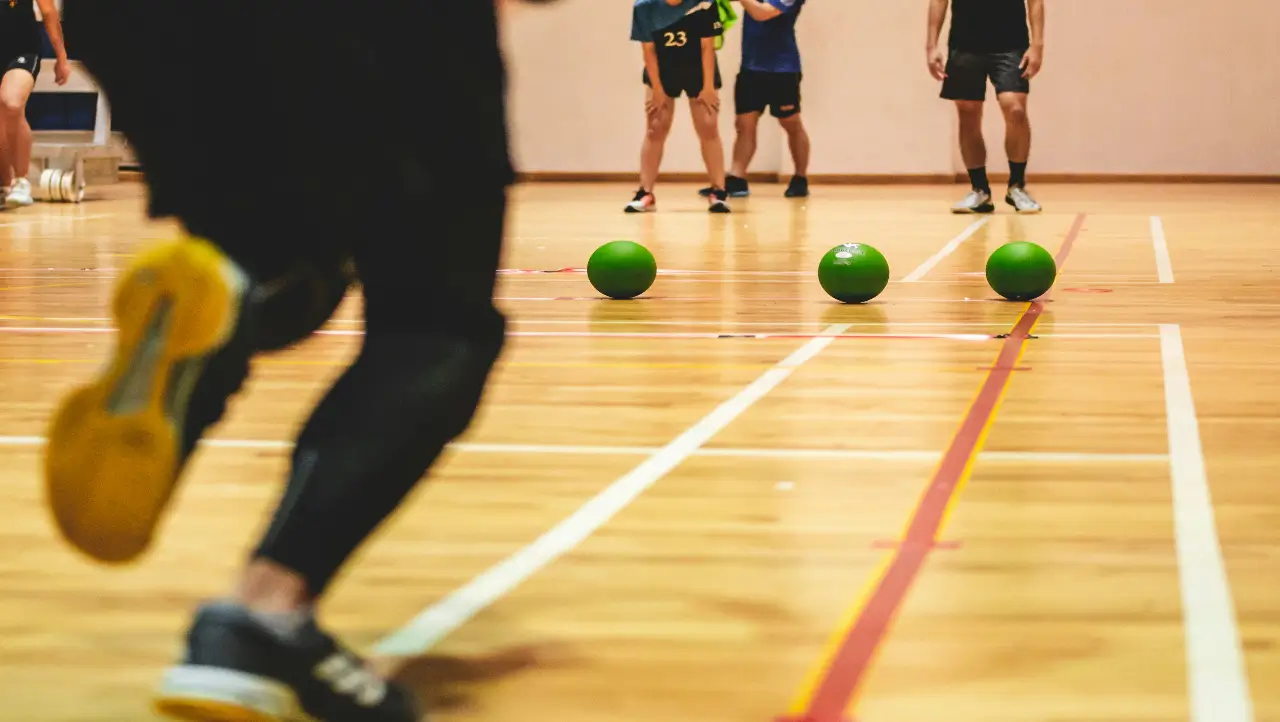
I’ve also created a free PDF resource that you can use immediately. This resource contains a range of GLOs (Games of Low Organisation) simple, tag-based games with minimal equipment and straightforward rules. These activities are perfect for quickly getting your class outside, active, and moving at high intensity before returning to in-class learning.
To increase student motivation and ownership, I encourage educators to hold a class vote on which games to play during the day. This creates autonomy and engagement. Once you have a solid rotation of games, you’ll notice that explanation time becomes minimal, and you can get straight into action without spending time teaching new rules each session. Feel free to modify these games switch equipment, adjust rules, or let students suggest ways to make the activity easier or more challenging.
As always, if your classroom has unique challenges or you need additional guidance, please reach out. I’m happy to provide resources, offer solutions, or point you in the right direction to get the support you need to successfully implement daily HPE and movement opportunities in your classroom.
Sources:
- https://www.health.gov.au/topics/physical-activity-and-exercise/physical-activity-and-exercise-guidelines-for-all-australians/for-adults-18-to-64-years
- https://www.ncbi.nlm.nih.gov/books/NBK201501/
- https://www2.education.vic.gov.au/pal/physical-and-sport-education-delivery-requirements/print-all
Helpful Resources:
- Fundamental Movement Skills: Flash Cards + Circuit
- How to create a better work life balance?
- Why are minor games important for students to learn?
- Emotional Regulation Posters
- Assessments for P.E- Ready to go
- What are invasion games?
- First time teaching P.E? Heres where to start!